Introduction
Intraoral scanners are changing the way dentists care for your teeth. These devices use digital technology to create detailed images of your mouth. The importance of intraoral scanner in dentistry is growing fast. Many dental clinics now use digital dental impressions instead of old methods. This new dental technology makes visits easier and more comfortable. In this blog, you will learn about the benefits of intraoral scanners, how they work, and why they matter for your dental health.
What is an Intraoral Scanner?
An intraoral scanner is a small, handheld device. Dentists use it to take pictures inside your mouth. These pictures create a 3D digital model of your teeth and gums. Because the scanner is small, it fits easily in your mouth. Dentists use these digital models to plan treatments, make crowns, and more. In short, intraoral scanners help dentists see your teeth clearly without using messy materials.
How Intraoral Scanners Work
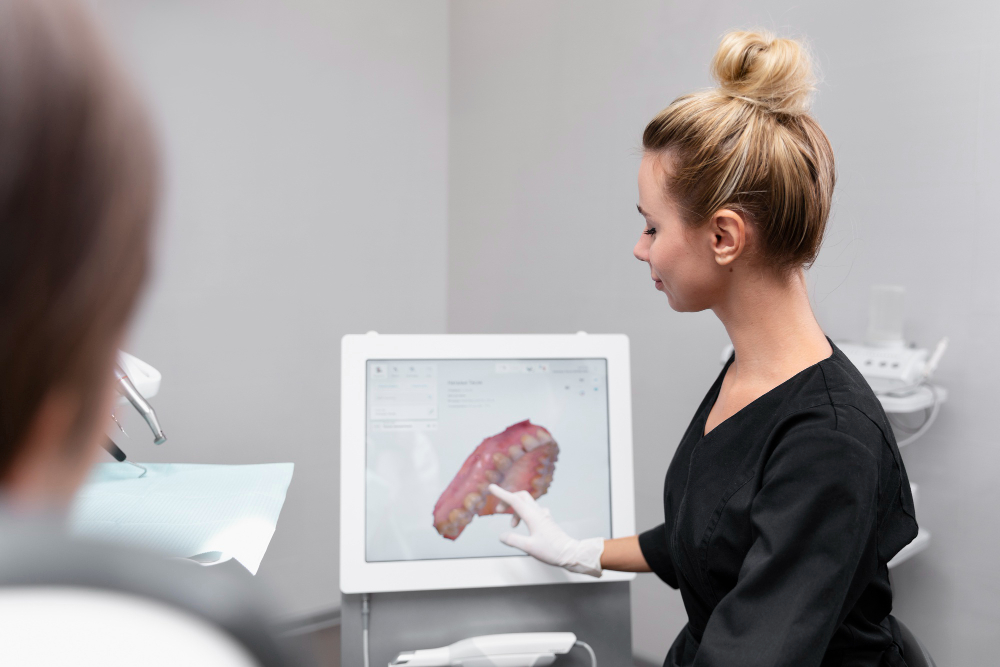
First, the dentist gently moves the scanner around your teeth. As the scanner moves, it takes many pictures very quickly. Then, special software combines these pictures into a single 3D image. This process is fast and does not cause pain. After the scan, dentists can view the digital model on a computer screen. Because the images are clear, dentists can spot problems early.
Key Benefits for Patients and Dentists
Intraoral scanners offer many advantages for both patients and dental professionals. Some key benefits include:
Because of these benefits, more dentists are choosing digital dental impressions for their patients.
Comparison with Traditional Dental Impressions
Traditional dental impressions use trays filled with soft material. You bite down and wait for the material to set. This process can feel uncomfortable and sometimes causes gagging. In contrast, intraoral scanners are quick and gentle. The digital process does not require you to bite into anything. Also, digital impressions are less likely to have errors. If a mistake happens, the dentist can simply rescan the area. As a result, you spend less time in the dental chair.
Common Uses in Dental Practice
Intraoral scanners are useful for many dental treatments. Dentists use them for:
Because they are so versatile, intraoral scanners are now a key part of modern dental care.
Patient Experience and Comfort
Many patients worry about dental visits. However, intraoral scanners help make the experience better. Since there are no messy materials, you feel more at ease. The scanning process is fast and gentle. Also, you can see the 3D images of your teeth right away. This helps you understand your dental health. As a result, you may feel more confident about your treatment plan.
Future of Intraoral Scanning in Dentistry
Dental technology keeps improving every year. Intraoral scanners are becoming even faster and more accurate. Soon, more dental clinics will use them for all types of care. According to studies in dental journals, digital dental impressions lead to better results and happier patients. As technology grows, you can expect even more benefits from intraoral scanning in the future.
Conclusion
Intraoral scanners are making dental visits easier and more comfortable. They help dentists provide better care using digital dental impressions. If you want a smooth and modern dental experience, ask your dentist about intraoral scanners. Consult your dentist to learn how intraoral scanners can improve your dental care experience.