Scaling and Polishing
- Home
- Scaling and Polishing
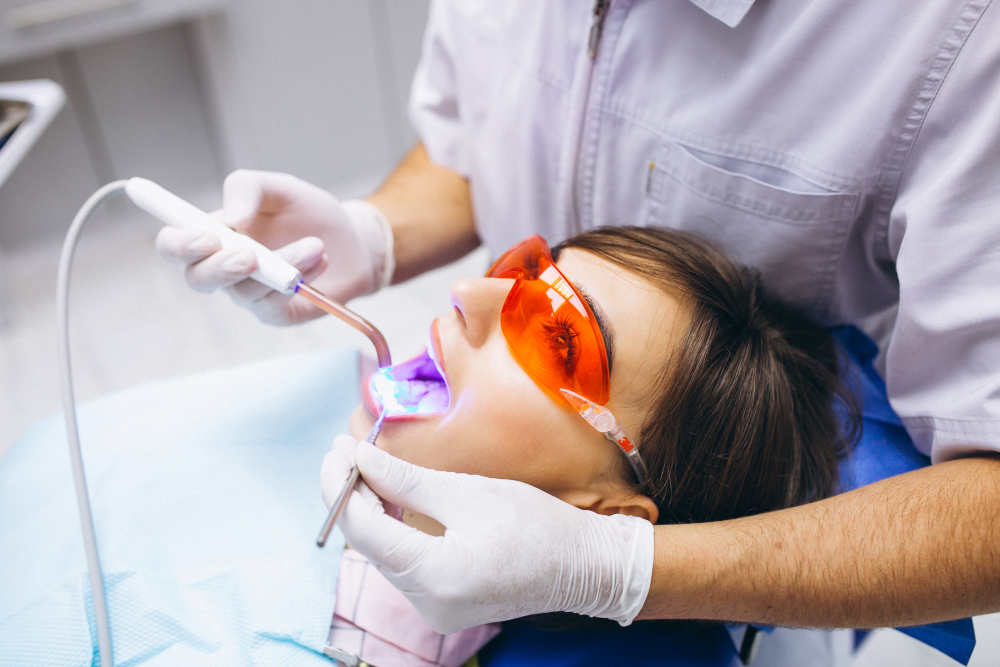
Scaling and polishing are essential dental procedures that play a significant role in maintaining good oral health and hygiene. These treatments help keep your teeth clean, bright, and free from harmful bacteria, preventing common dental problems like cavities, gum disease, and bad breath.
Scaling is the process of removing plaque and tartar buildup from the surfaces of your teeth, especially along the gum line. Plaque is a sticky film of bacteria that can accumulate on your teeth over time. When plaque hardens, it turns into tartar (also known as calculus), which cannot be removed by brushing alone. A dental professional uses specialized instruments to gently remove tartar and plaque from both above and below the gum line. Regular scaling helps prevent gum inflammation and periodontal disease, which can lead to tooth loss if left untreated.
Polishing is typically performed after scaling to smooth the surfaces of your teeth, making it harder for plaque to build up again. The polishing process uses a soft rubber cup and a mild abrasive paste that gives your teeth a smooth, shiny finish. This not only enhances the appearance of your teeth but also helps to remove surface stains, leaving your smile brighter and fresher.
Overall, scaling and polishing are important for maintaining the health of your gums and teeth. They help to reduce the risk of gum disease, tooth decay, and other oral health issues, promoting a cleaner, healthier mouth and a more confident smile. Regular scaling and polishing, typically recommended every 6 months, should be part of your routine dental care.